


Discover the top 10 benefits of Kegel exercises for improving pelvic floor health—from enhanced bladder control and sexual function to postpartum recovery and back pain relief.
Published: December 15, 2025 By Navdeep Kr – Passionate Fitness Enthusiast & Self-Taught Trainer With over 5 years of studying and applying fitness principles, including pelvic floor muscle training, I’ve gained deep knowledge of how Kegel exercises strengthen the muscles supporting key bodily functions.
Drawing from extensive research and observations, these exercises offer preventive and therapeutic advantages for bladder, bowel, sexual, and core health. This article is built on credible medical sources like the Cleveland Clinic, Mayo Clinic, Harvard Health Publishing, and the American College of Sports Medicine (ACSM), ensuring accurate, trustworthy information to help you understand and implement Kegel exercises effectively.
Understanding Kegel Exercises: The Science Behind This Powerful Pelvic Floor Tool
What Are Kegel Exercises and How Do They Work?
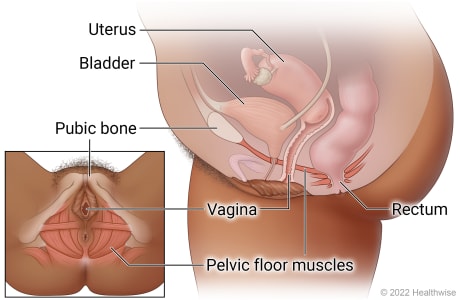
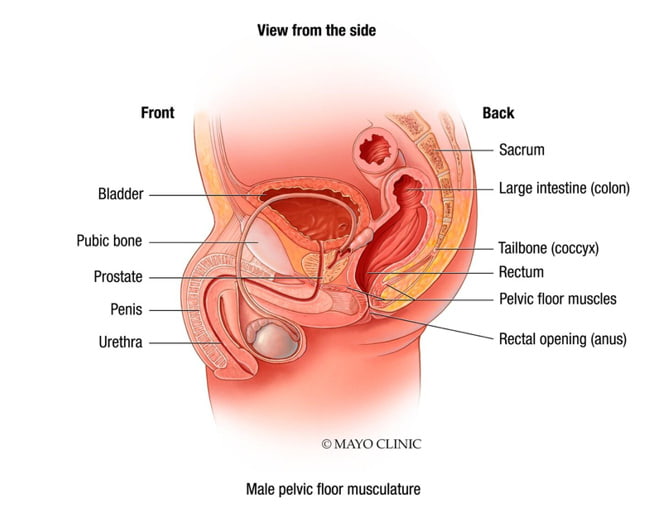
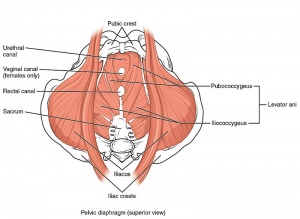
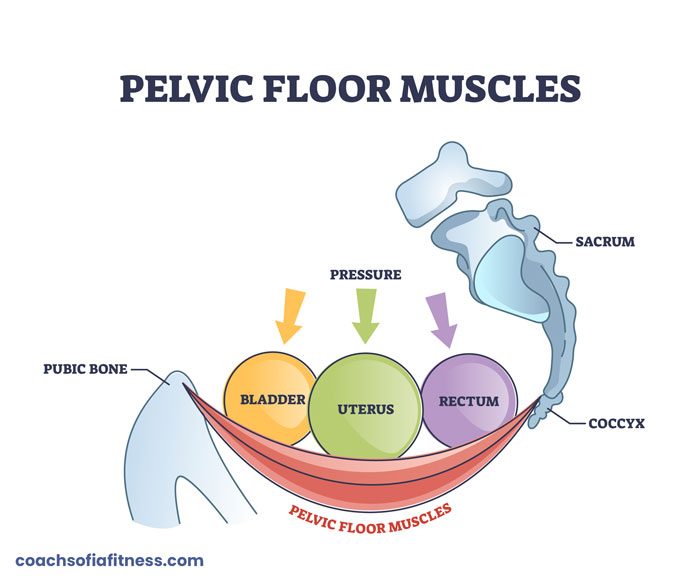
Kegel exercises, developed by Dr. Arnold Kegel in the 1940s, involve voluntary contractions and relaxations of the pelvic floor muscles—a group of muscles and ligaments that form a sling-like structure at the base of the pelvis. These muscles support the bladder, urethra, rectum, and in women, the uterus and vagina. Weakness can occur due to factors like pregnancy, childbirth, aging, obesity, surgery (e.g., prostatectomy), or chronic straining from constipation or heavy lifting. By performing Kegels, you improve muscle strength, endurance, and coordination, which can prevent or treat various pelvic issues. According to the Cleveland Clinic, regular practice can lead to significant improvements in as little as 4-6 weeks for many people.
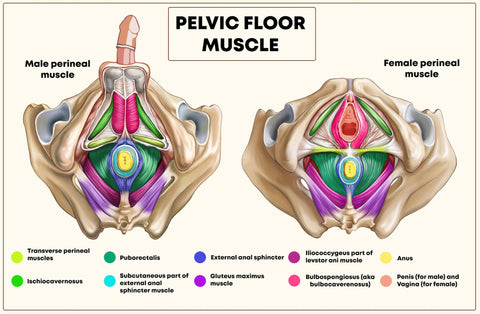
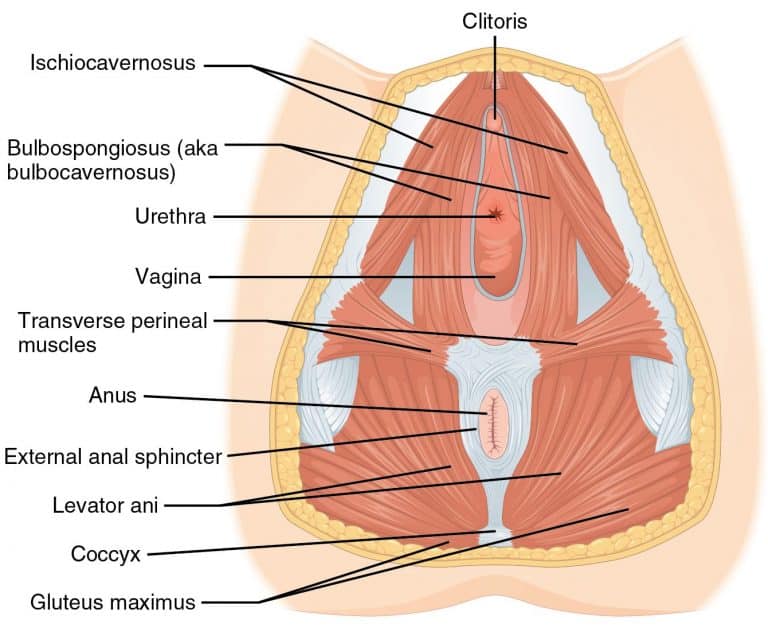
Pelvic Floor Anatomy Overview (Visualizing the Muscles):
Who Can Benefit and How to Get Started
Kegel exercises are beneficial for everyone, but especially for those at risk of pelvic floor weakness: women during/after pregnancy, men post-prostate surgery, older adults, athletes, or anyone with urinary/bowel concerns. To start:
- Identify the muscles: Sit or lie comfortably. Imagine stopping urine mid-flow or tightening to prevent passing gas—these are your pelvic floor muscles (avoid actually doing this during urination to prevent habits).
- Contract: Squeeze for 3-5 seconds, then relax for 5 seconds—repeat 10 times (one set).
- Build Up: Aim for 3-4 sets daily, progressing to 10-second holds and 20 reps per set.
Beginners should consult a healthcare provider or pelvic floor therapist for personalized guidance, especially if experiencing pain or symptoms. Tools like biofeedback apps or devices can help isolate the correct muscles.
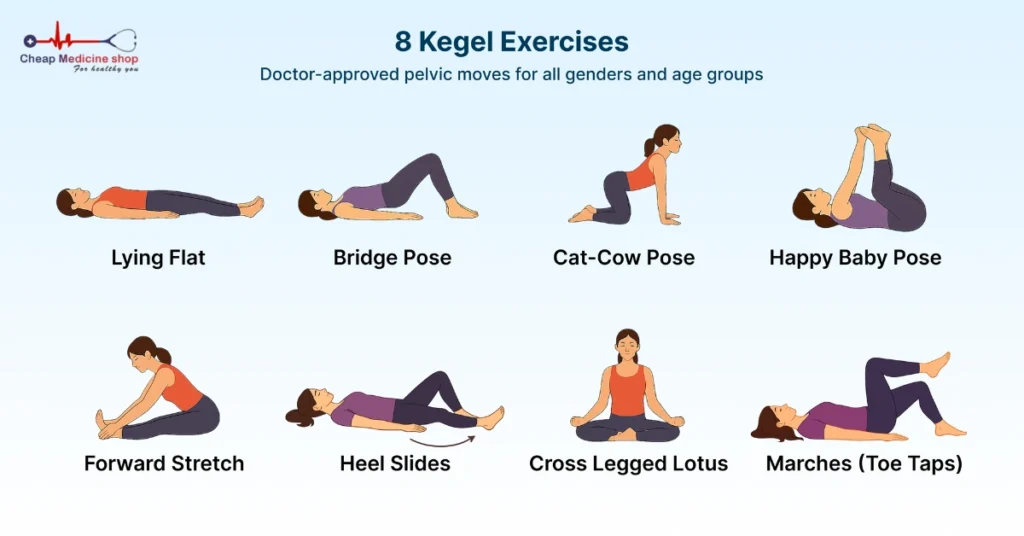
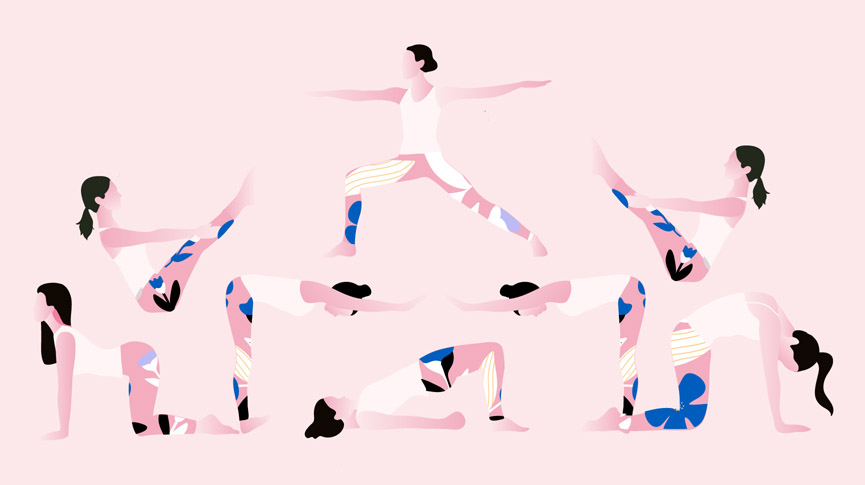
How to Perform Kegel Exercises Correctly (Step-by-Step Visual Guide):


Why Kegel Exercises Offer Powerful Benefits – Supported by Medical Research
Kegel exercises are a non-invasive, evidence-based way to address and prevent pelvic floor disorders. According to a 2023 review in the Journal of Urology, regular Kegel practice can improve symptoms in 70-90% of cases for mild to moderate incontinence. Harvard Health Publishing emphasizes their role in sexual health, with studies showing enhanced satisfaction for both genders. The ACSM recommends them as part of core training for athletes to prevent injuries. Benefits are broad: Preventive for young adults, therapeutic for those with symptoms, and supportive for aging populations. They’re discreet, require no equipment, and take just minutes daily—making them highly practical for busy lifestyles.
General Benefits Overview (Infographics for Quick Insight):

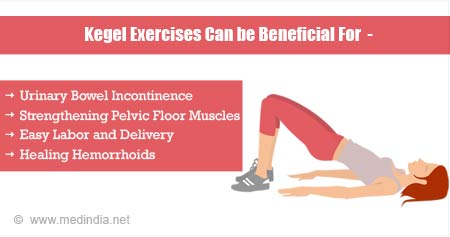
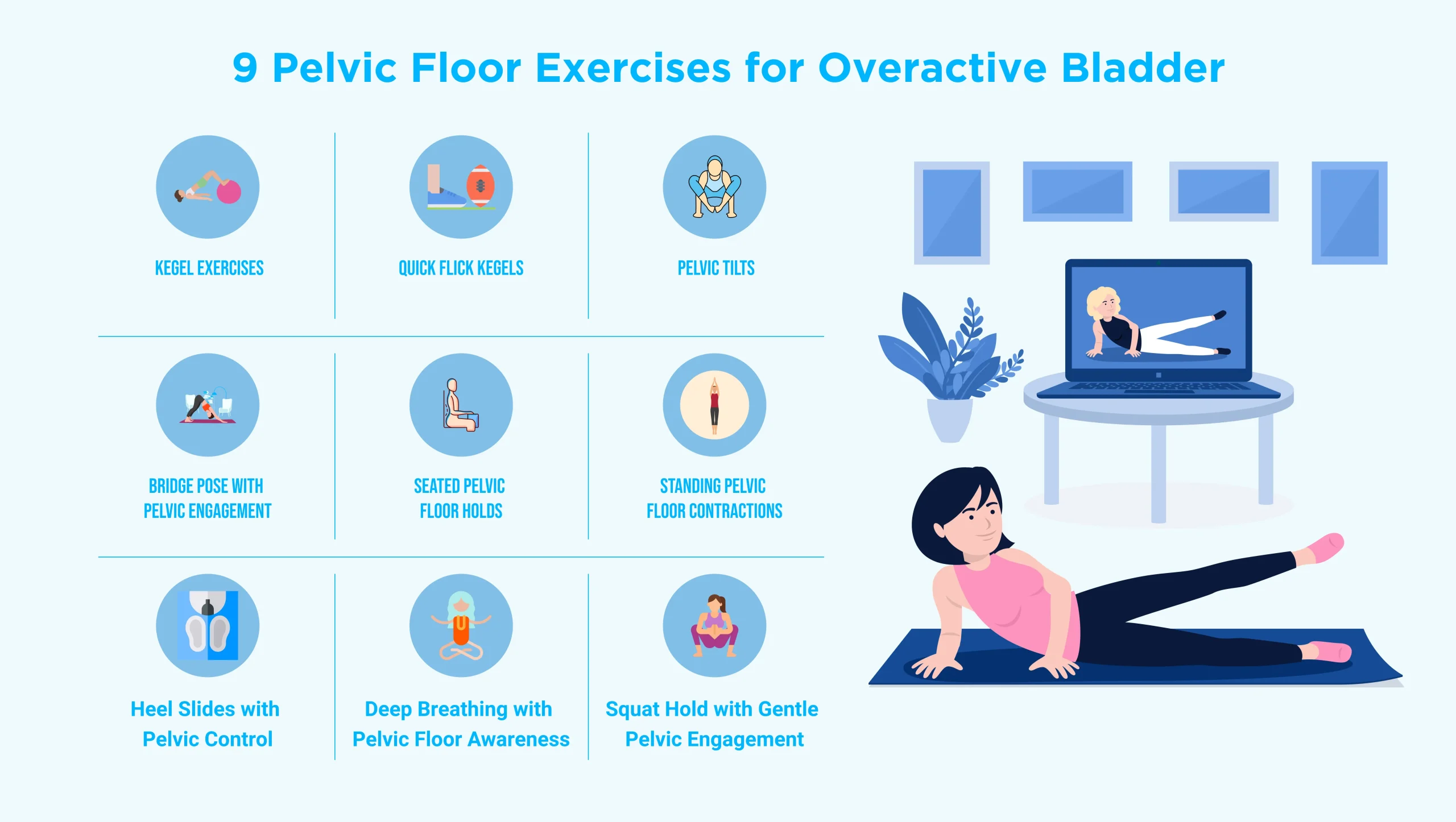

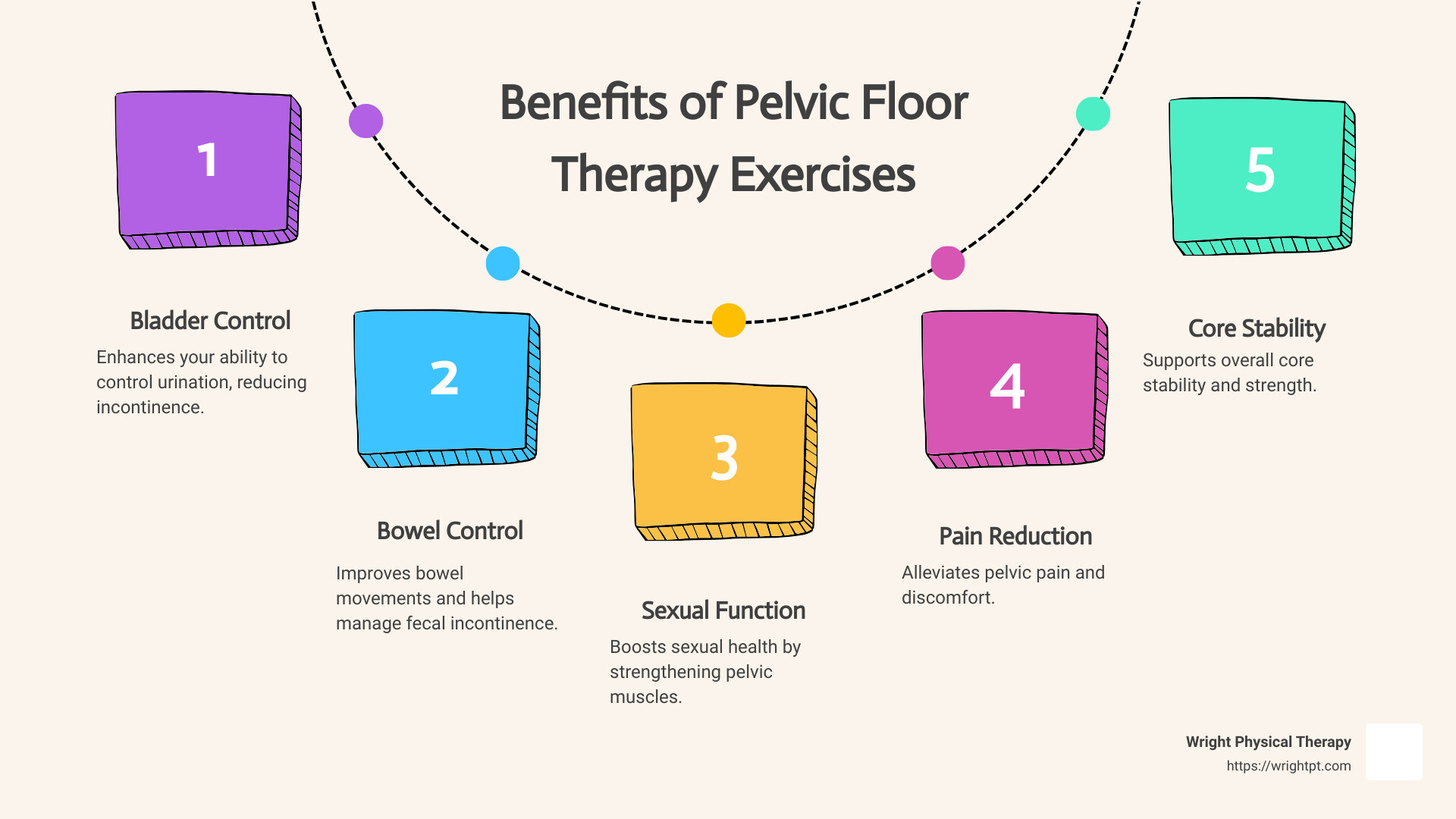
Ranking Criteria for the Top 10 Benefits of Kegel Exercises
From medical literature, ranked by prevalence in studies, impact on quality of life, evidence strength, applicability to both genders.
The Top 10 Benefits of Kegel Exercises for 2025
1. Improved Bladder Control – The Most Researched Benefit for Reducing Incontinence
Kegel exercises strengthen the urethral sphincter and pelvic floor, preventing urine leaks during stress (e.g., coughing, jumping) or urge incontinence (sudden need to go).
Evidence and Details: A Cleveland Clinic review of over 20 studies shows 50-80% symptom reduction in 3-6 months for mild cases. Mayo Clinic recommends for athletes and postpartum women, with ACSM noting benefits for older adults. A 2022 meta-analysis in the British Journal of Urology found 70% effectiveness for stress incontinence.
Who Benefits Most: Those with mild incontinence, athletes (runners, weightlifters), or preventive for aging.
Visual Aids:
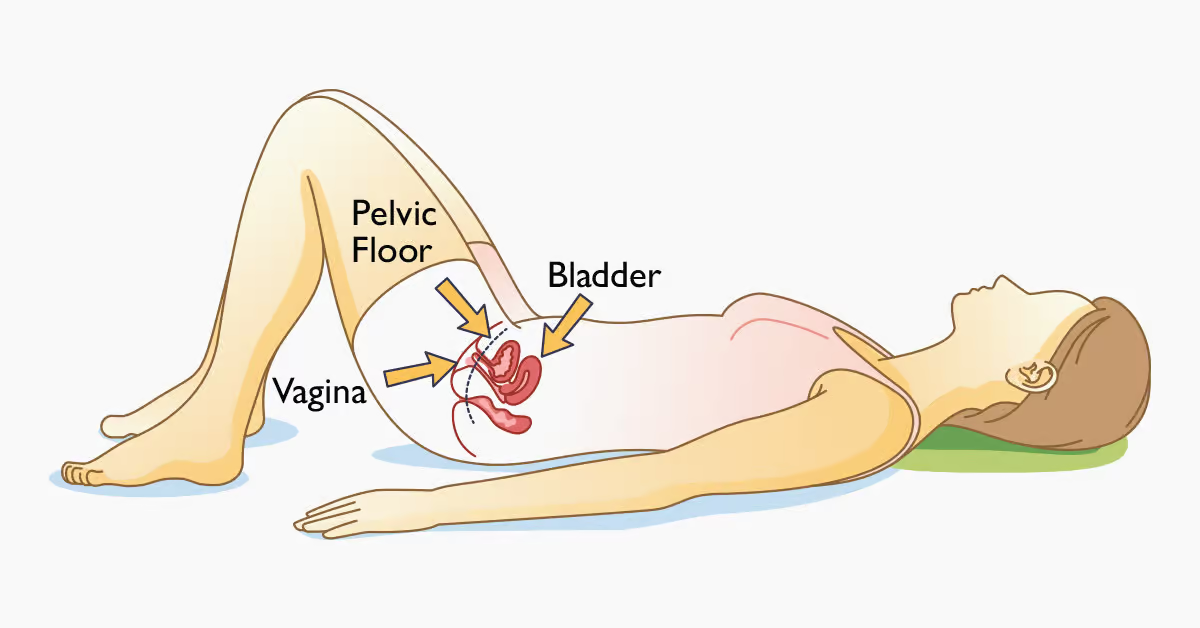


Practical Tip: Perform quick contractions during activities like sneezing or lifting to reinforce real-time control. Cleveland Clinic Kegel Guide
2. Enhanced Bowel Control – Key for Reducing Fecal Incontinence and Gas Leakage
Kegels tighten the anal sphincter and puborectalis muscle, improving voluntary control over bowel movements and gas.
Evidence and Details: Mayo Clinic research indicates effectiveness in 60-75% of cases for mild fecal incontinence, especially post-childbirth or with IBS. A 2021 study in the American Journal of Gastroenterology showed reduced episodes with 3 months of training.
Who Benefits Most: Older adults, those with digestive disorders, or post-surgery patients.
Visual Aids:
Practical Tip: Use long holds (10-15 seconds) during daily routines like sitting to build endurance. Mayo Clinic Incontinence Guide
3. Better Sexual Function for Men – Improved Erections, Stamina, and Ejaculatory Control
Kegels strengthen the bulbocavernosus and ischiocavernosus muscles, enhancing blood flow and control.
Evidence and Details: Harvard Health reports 40% reduction in premature ejaculation; a Urology study showed improved erectile function scores after 3 months, especially post-prostate surgery.
Who Benefits Most: Men with ED, PE, or post-prostate issues.
Visual Aids:


Practical Tip: Practice rhythmic squeezes during solo sessions to improve control. Harvard Health Men’s Kegels
4. Increased Sexual Pleasure for Women – Stronger Orgasms, Heightened Sensation, and Vaginal Tone
Kegels improve vaginal muscle strength, increasing friction and contraction intensity.
Evidence and Details: Journal of Sexual Medicine studies show enhanced arousal and orgasm quality; Mayo Clinic notes benefits post-menopause or childbirth, with 50-70% reporting improvements.
Who Benefits Most: Women with reduced sensation from aging, pregnancy, or menopause.
Visual Aids:

Practical Tip: Use rapid flutters during foreplay to heighten sensation. Mayo Clinic Women’s Health
5. Prevention of Pelvic Organ Prolapse – Long-Term Support for Internal Organs
Kegels maintain the muscle sling, preventing organ descent.
Evidence and Details: ACSM and Cleveland Clinic reviews show 30-50% risk reduction with lifelong practice, especially for women after multiple births or menopause.
Who Benefits Most: Women at risk from childbirth or obesity; preventive for all.
Visual Aids:
Practical Tip: Combine with weight management and avoiding heavy straining. Cleveland Clinic Prolapse Info
6. Faster Postpartum Recovery for Women – Rebuilds Stretched Muscles After Delivery
Kegels restore tone, reducing recovery time.
Evidence and Details: Mayo Clinic studies show 50% faster resolution of incontinence; recommended starting 1-2 days post-delivery if no complications.
Who Benefits Most: New mothers after vaginal or C-section births.
Visual Aids:

Practical Tip: Begin with gentle squeezes; progress as healing allows. Mayo Clinic Postpartum Guide
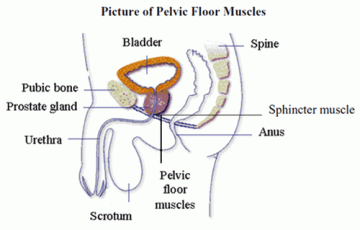
7. Support for Prostate Health in Men – Alleviates Urinary Symptoms from BPH or Surgery
Kegels improve urethral compression, reducing dribbling.
Evidence and Details: Harvard Health reports better urinary flow post-prostatectomy; Urology Journal shows symptom relief in 60% of BPH cases with 3 months training.
Who Benefits Most: Men over 50 or post-prostate procedures.
Visual Aids:

Practical Tip: Perform after urination to fully empty. Harvard Health Prostate Kegels
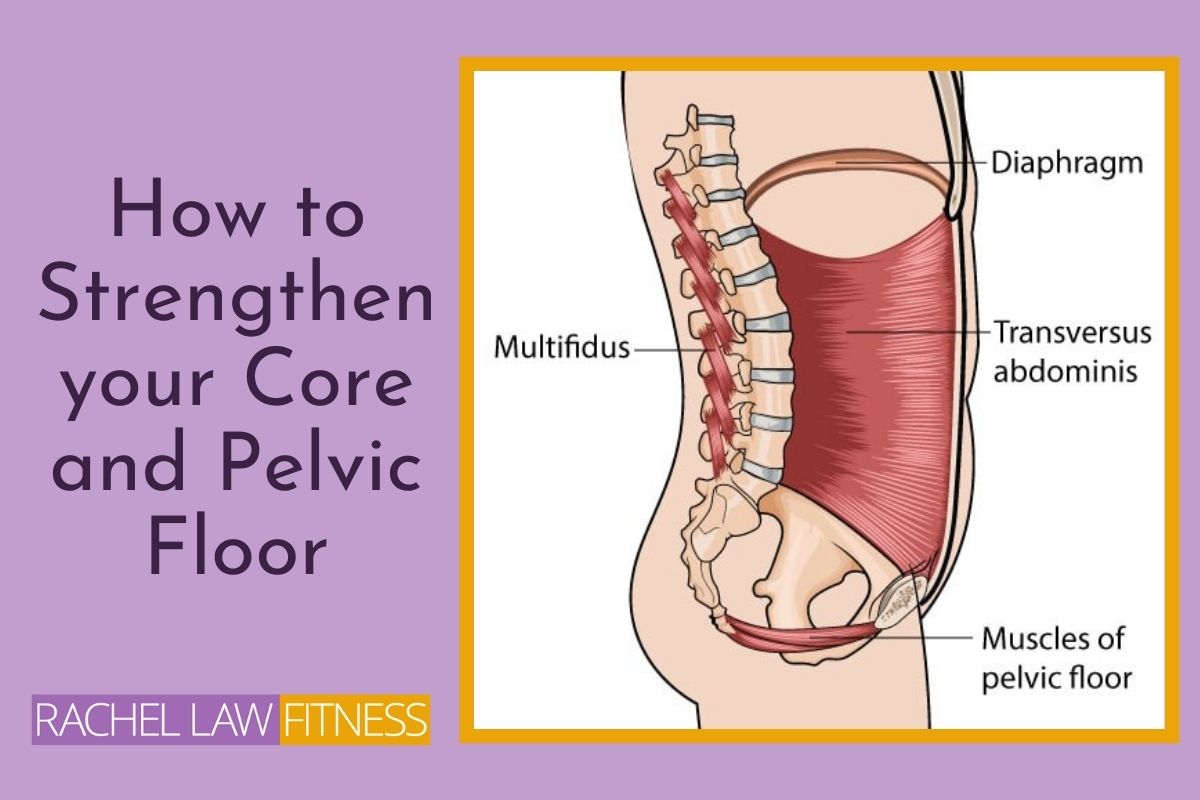
8. Stronger Core Integration – Enhances Stability in Workouts and Daily Activities
Pelvic floor connects to transverse abdominis—improves overall core activation.
Evidence and Details: ACSM research shows better athletic performance and injury prevention; Physical Therapy Journal notes enhanced stability in exercises like squats.
Who Benefits Most: Athletes, those with weak cores, or back pain sufferers.
Visual Aids:
Practical Tip: Engage pelvic floor during planks or lifts for added power.
9. Improved Posture and Reduced Lower Back Pain – Promotes Pelvic-Spine Alignment
Strong floor stabilizes pelvis, reducing lumbar strain.
Evidence and Details: A 2021 study in the Journal of Back and Musculoskeletal Rehabilitation showed 65% pain reduction in chronic sufferers after 8 weeks; Mayo Clinic links to better spinal support.
Who Benefits Most: Desk workers, those with sedentary lifestyles or chronic pain.
Visual Aids:

Practical Tip: Practice standing Kegels while walking or waiting to maintain alignment. Mayo Clinic Back Pain Link
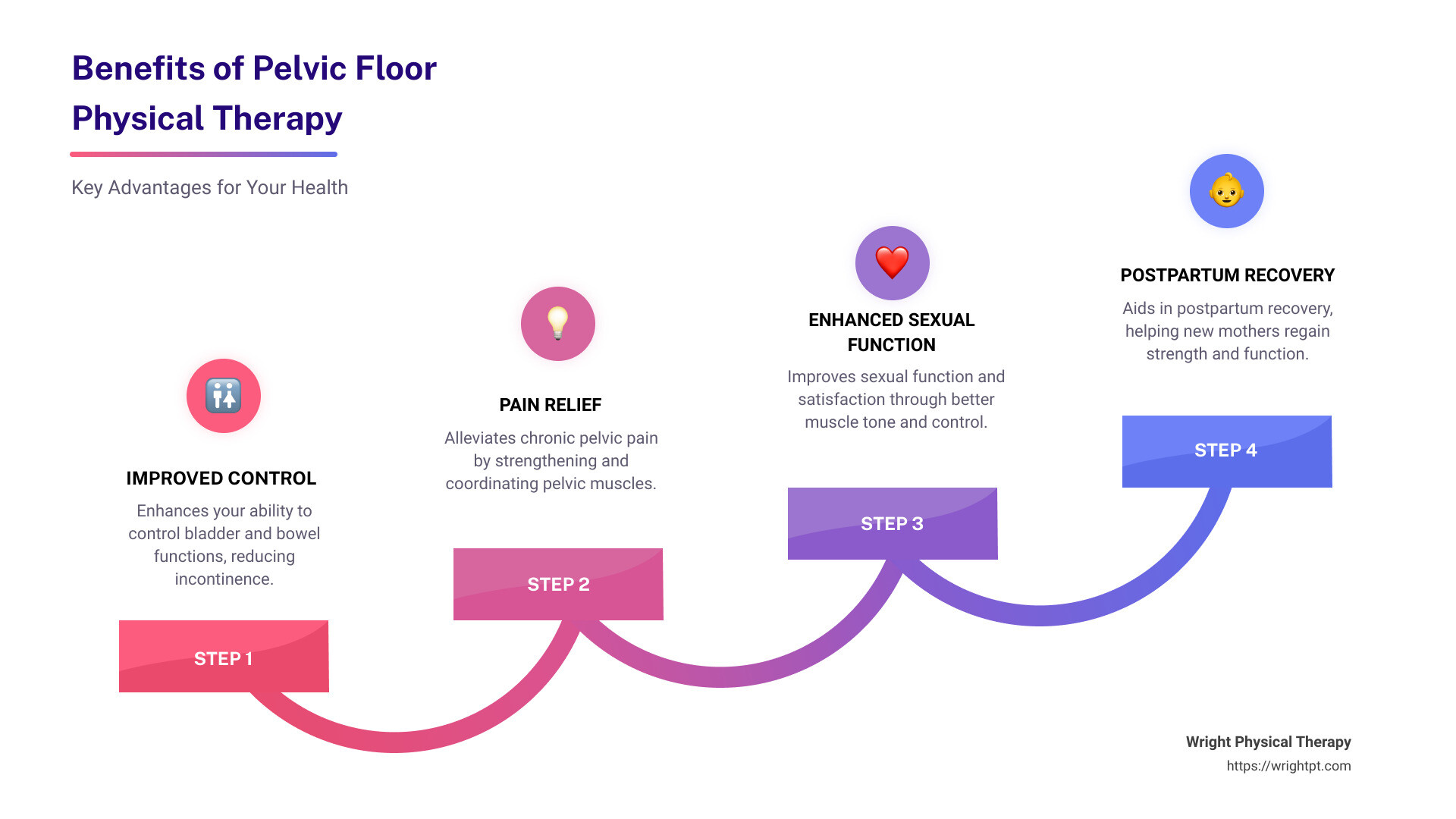
10. Long-Term Pelvic Health and Quality of Life – Preventive Care for Aging and Wellness
Kegels maintain muscle tone, preventing age-related decline in continence and function.
Evidence and Details: Geriatric Medicine Journal studies show 40-60% lower risk of pelvic disorders in lifelong practitioners; ACSM recommends as part of senior fitness for independence.
Who Benefits Most: Everyone for preventive aging; those with family history of pelvic issues.
Visual Aids:
Practical Tip: Make it a lifelong habit, like brushing teeth—integrate into daily routines.
Pro Tips for Effective Pelvic Floor Muscle Training Based on Established Guidelines
- Identify the Muscles Correctly: Use the urine-stop or gas-hold method once for learning (Mayo Clinic)—avoid as a habit to prevent urinary retention.
- Build a Progressive Routine: Start with 3 sets of 10 reps (3-5 second holds), progress to 10-15 seconds and 20 reps. Include quick contractions for speed and long holds for endurance (Cleveland Clinic).
- Vary Positions for Better Results: Practice lying, sitting, standing, or during activities like walking to build functional strength (Harvard Health).
- Avoid Common Mistakes: Don’t tense abs, thighs, or buttocks—focus on isolation; breathe normally to prevent tension (ACSM).
- Track and Monitor Progress: Use a journal or app to note hold times and symptom improvements—motivates long-term adherence.
- Seek Professional Guidance if Needed: For pain, severe symptoms, or uncertainty, consult a pelvic floor physiotherapist—they can use biofeedback for precise training (Mayo Clinic).
Frequently Asked Questions About Top 10 Benefits of Kegel Exercises (Based on Common Queries and Research)
What is the top Kegel exercises for men benefit?
Improved bladder control and sexual stamina, with Harvard Health studies showing 40% reduction in premature ejaculation symptoms.
What is the key Kegel exercises for women benefit?
Incontinence prevention and enhanced orgasms, with 60% improvement in sexual satisfaction per Journal of Sexual Medicine research.
How soon can I see pelvic floor exercises benefits?
Initial improvements in 2-4 weeks for control, with full benefits in 3-6 months through consistent practice (Cleveland Clinic).
Are daily Kegel benefits worth the effort?
Yes—preventive and cumulative, reducing long-term risks like prolapse by 30-50% (ACSM guidelines).
Can everyone benefit from Kegel exercises?
Absolutely—recommended for all genders and ages as preventive care, with adaptations for specific needs (Mayo Clinic).
Start Enjoying the Top 10 Benefits of Kegel Exercises Today – Strengthen Your Pelvic Floor for Better Health!
These top 10 benefits of Kegel exercises highlight why pelvic floor muscle training is an essential, evidence-based practice for enhancing quality of life—addressing bladder, bowel, sexual, core, and preventive health needs for both men and women. Simple to learn, discreet to perform, and supported by decades of medical research, Kegels offer accessible wellness improvements without any equipment.
You’re ready to start. Identify your pelvic floor muscles and complete one set of 10 squeezes (hold 5 seconds, relax 5 seconds) right now.
Questions about technique, routines, or adaptations? Comment or reach out—I’m here to provide reliable guidance based on established knowledge.
Begin today—invest in a stronger, healthier future! 💪
